Handpan Guru

Hang Drum & Handpan History

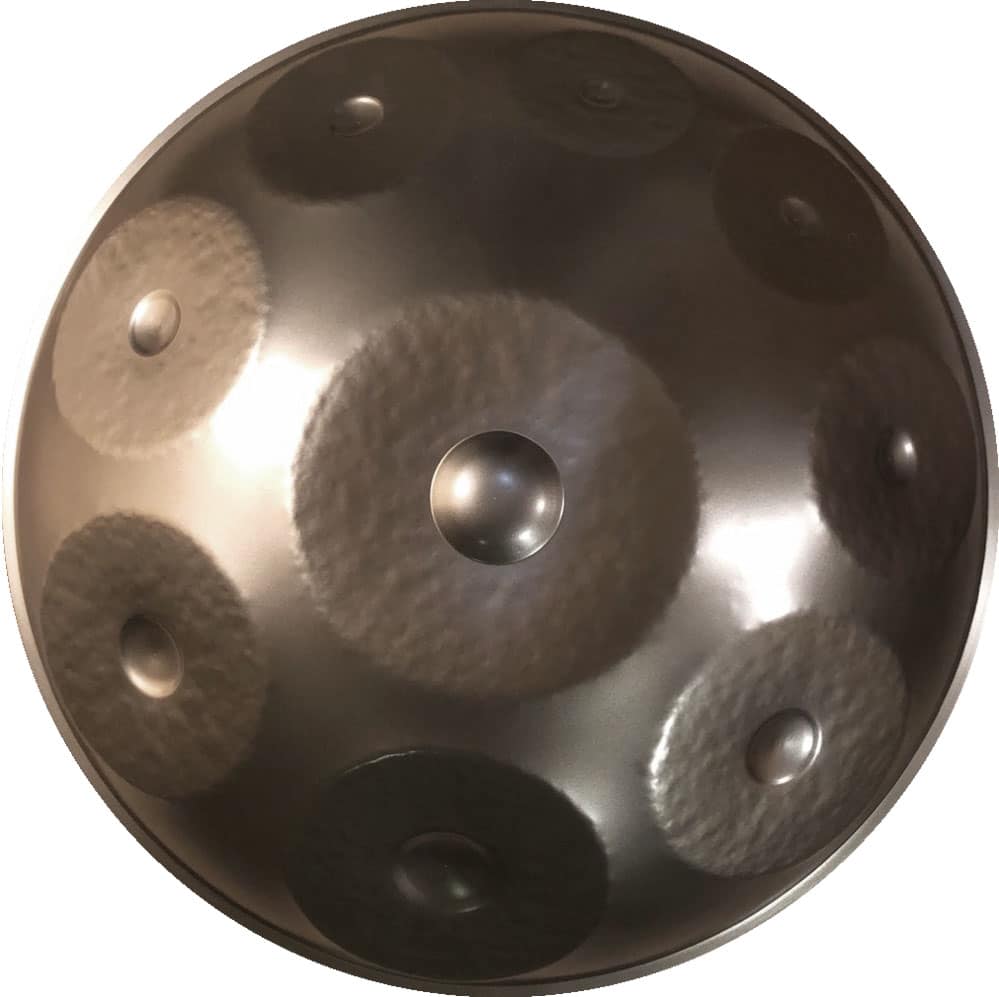
9 Note Handpan in D Minor
Much has changed since the Hang® (drum) was first created in the year 2000.

Before we delve into the history of this amazing instrument and how it came to be, we first need talk about the controversy surrounding its name and why you shouldn’t really call it a Hang Drum.

So, first things first, we need to clear up that the instrument is not technically called a Hang drum. This is a misnomer. It is, in fact called a “Hang Instrument”, “Hang hang” or just “Hang”.

The most appropriate name for instruments made in inspiration of the original Hang ® is Handpan or Pantam.

With that said, it’s fair to say that the incorrect term “Hang drum” has caught on and is not going away, despite the wishes of its original creators.
The Hang was introduced to the public domain in 2001 by a company called PANArt and was created the year before by Felix Rohner and Sabina Schärer - both from Bern, Switzerland.

In late 2013 PANArt decided to discontinue the production of the Sound Sculpture Hang entirely and instead concerted their efforts on a wide variety of new creations; the Gubal, Urgu, Gudu, Gede, Godo and Balu Urgu.

Although PANArt’s new instruments in 2014 sounded great, they didn't quite have the same highly resonant sound that the original Hang design produced, and for this reason, the original Hang and instruments made in its image are still highly sought after.

Because the original design of the sound sculpture Hang® created such a beautiful and resonant sound, the discontinuation of the popular design created a void. While the production of the design may have stopped for over 6 years, the demand for this unique instrument certainly did not.

2022 Update: According to PANArt's website (https://panart.ch) the Hang® sculpture is now available and is still being made by their tuners, so if you love the sound of the original Hang® and absolutely must have one, you can! Contact them for details via their website.

Since 2014, a variety of alternatives are now available that come in many different forms, each having their own unique sound, quite often at a much more more affordable price.

The different types of Handpans

There are two different types of Handpans available:

Handpans

The term Handpan is used to describe the instruments inspired by the original PANArt Hang. These instruments usually have a dimple in the middle of each note and generally have a Gu (hole) on the underside of the instrument. Handpans generally have anywhere between 7 to 24 notes, although 9 note Handpans are the most common.

Tongue Drums

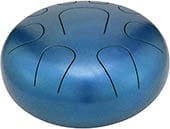
Although Tongue drums are technically Handpans as well, rather than having dimples for each note, each note is cut into the drum in a tongue like shape. The maker can tune the tongues by varying the length of the cuts, or by adding weights to the tongues. These instruments are generally less expensive and come in a lot of different shapes, sizes, and designs.

Choosing which type of Handpan is right for you

In the video below, Lucius Harvey demonstrates different types of Handpans.

Smaller steel tongue drums don’t reverberate as much as the larger ones. So in other words, you don’t get as much of a “full” and loud sound out of them. You’ll notice in the video that the larger the instrument is, the better it sounds and the longer it reverberates.

One of the downsides to the tongue drums is that they aren’t as loud when they are played with the fingers, which is why most Steel Tongue Drums come with a pair of mallets to hit the drums with. The mallets make the drum sound louder and also makes the sound reverberate longer. Unfortunately using the mallets really takes away the “texture” and diversity that comes with playing an instrument like this with your hands. With all of that said, most of the tongue drums are also significantly less expensive.

This video will quickly help you decide which kind of instrument is for you. The video demonstrates well that the larger the instrument, the better quality of sound is produced.

How much do Handpans typically cost?

Good quality handpans typically cost around $1500 to $3000 USD+. Handpans around this price range are of high quality and are generally made in the United Kingdom, United States, Vietnam, Bali, and Europe.

While most are not made exactly to the PANArt Method, they are still lovely instruments.

As of 2020, you can now buy the Sound Scultpture Hang drum design again directly from PanArt for around $2,588 (CHF 2500).

Luckily there are now a growing number of manufacturers making Handpans similar to the Hang® drum at much more reasonable prices.

Beware of handpans priced as low as $600, as these are usually mass produced with machines in China using cheaper and lower quality materials, and coated in potentially toxic paints. These instruments are not hand crafted and accurately tuned. They are cheap replicas.

Always take the time to research the seller to ensure you receive a well made instrument that is packaged securely for delivery.

Cheaper alternative to the Hang Drum

Steel Tongue Drums

There’s no doubt that Handpans can be expensive.

If the more affordable Handpans that are listed for sale on our website are still out of your budget, then the best option for you may be a Steel Tongue Drum.

The Steel Tongue Drum (also known as the Tank Drum and Hank Drum) sounds quite similar to the Hang and is great alternative to the Hang® Drum / Handpan.

You can expect to pick one of these up for $150 – $800+ and they’re a lot more readily available. Some of them also have some stunning artwork on them!

Where to buy a Handpan?

A Handpan is not really something that you are generally able to buy at your local music store. This means that you are likely limited to buying online. Our goal is to make it as easy as possible for you to get a Handpan, no mater where you are in the world. Stay tuned while we update our website!
cross